

Time zones shape how we communicate, work, and travel across regions. If you have ever scheduled a virtual meeting, booked a flight, or coordinated a project between the western and eastern parts of the United States, you’ve probably asked yourself this question: What’s the time difference between Mountain Standard Time (MST) and Eastern Standard Time (EST)?
While the answer seems simple, this time difference has a real impact on business operations, remote work, travel schedules, and daily life. This article explores the exact time difference, why it matters, and how you can manage time effectively when dealing with multiple zones.
Understanding Time Zones in the U.S.
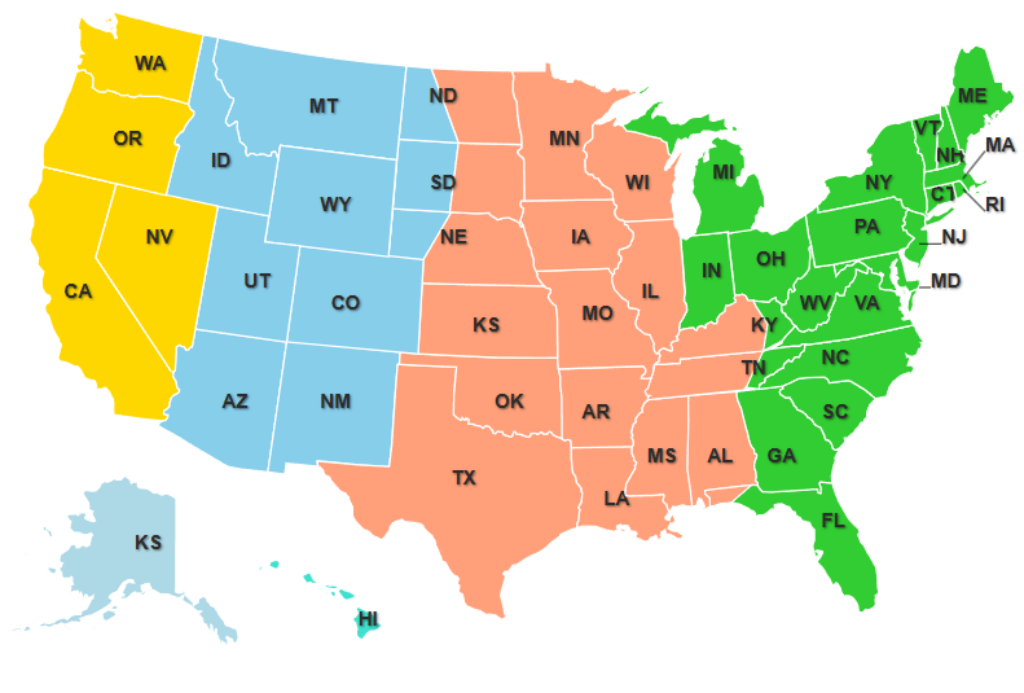
To understand the time difference, it’s important to start with the broader concept of time zones. The United States has six primary time zones:
- Eastern Standard Time (EST) – UTC -5 hours
- Central Standard Time (CST) – UTC -6 hours
- Mountain Standard Time (MST) – UTC -7 hours
- Pacific Standard Time (PST) – UTC -8 hours
- Alaska Standard Time (AKST) – UTC -9 hours
- Hawaii–Aleutian Standard Time (HAST) – UTC -10 hours
Each time zone represents a one-hour difference from the next. This system helps maintain consistent scheduling across a large country that spans many longitudinal lines.
What Is Mountain Standard Time (MST)?
Mountain Standard Time (MST) covers states in the western and southwestern regions of the United States, including:
- Colorado
- Arizona (which does not observe Daylight Saving Time)
- New Mexico
- Utah
- Wyoming
- Parts of Idaho and Montana
MST is seven hours behind Coordinated Universal Time (UTC-7). The name comes from the Rocky Mountains, which run through many of the states in this zone.
For example, when it is 12:00 PM (noon) UTC, it is 5:00 AM MST.
During Daylight Saving Time (DST), MST shifts to Mountain Daylight Time (MDT), which is UTC-6.
What Is Eastern Standard Time (EST)?
Eastern Standard Time (EST) is used by states in the eastern region of the United States, including:
- New York
- Florida
- Georgia
- North Carolina
- Pennsylvania
- Washington, D.C.
EST is five hours behind Coordinated Universal Time (UTC-5). When Daylight Saving Time begins, EST becomes Eastern Daylight Time (EDT), which is UTC-4.
For example, when it is 12:00 PM UTC, it is 7:00 AM EST.
The Time Difference Between MST and EST
The time difference between Mountain Standard Time (MST) and Eastern Standard Time (EST) is two hours.
This means that when it is 10:00 AM in MST, it is 12:00 PM (noon) in EST. The time difference is consistent for most of the year, but Arizona’s decision not to observe Daylight Saving Time can sometimes make it a three-hour difference during the summer months.
How Daylight Saving Time Affects the Difference
Daylight Saving Time begins on the second Sunday in March and ends on the first Sunday in November. During this period:
- Mountain Standard Time (MST) changes to Mountain Daylight Time (MDT), or UTC -6.
- Eastern Standard Time (EST) changes to Eastern Daylight Time (EDT), or UTC -4.
Even during DST, the time difference remains two hours.
However, because Arizona does not observe DST and remains on MST year-round, the difference between Arizona and Eastern Time becomes three hours during the DST period.
For example, in July, when it is 9:00 AM in Arizona (MST), it is 12:00 PM in New York (EDT).
Why the Time Difference Matters

The two-hour time difference between MST and EST may seem minor, but it has a real impact on people’s routines, especially when work, travel, or communication crosses time zones.
Remote Work and Collaboration
Remote teams often span multiple time zones. Understanding the time difference helps avoid confusion in scheduling.
For example, if a manager in New York (EST) schedules a meeting for 10:00 AM EST, an employee in Denver (MST) will need to join at 8:00 AM MST.
To manage this effectively, teams often use scheduling tools such as Google Calendar, Outlook, or Slack, which automatically adjust to time zones.
Travel and Transportation
For travelers, time zones can make flight planning tricky.
If you take a flight from Denver (MST) at 8:00 AM and arrive in New York (EST) at 1:30 PM, the flight time is only 3.5 hours, but the clock shows a 5.5-hour difference due to the time zone change.
Understanding the time difference ensures you don’t miss flights or underestimate travel duration.
Business Operations and Customer Service
For businesses that serve clients across multiple states, time zones directly influence customer service hours and meeting schedules.
If a support team in Phoenix (MST) opens at 8:00 AM, customers in Atlanta (EST) will find it is already 10:00 AM their time.
Companies often extend service hours or maintain teams in different time zones to ensure smooth operations.
Stock Market Timings
Stock markets in the U.S., such as the New York Stock Exchange (NYSE) and NASDAQ, open at 9:30 AM EST and close at 4:00 PM EST.
For traders in MST regions, the markets open at 7:30 AM and close at 2:00 PM.
Being aware of this time difference allows investors to plan their trading schedules accordingly.
Real-World Examples of Adjusting to the Time Difference
Example 1: Remote Work Flexibility
A Denver-based analyst works for a company headquartered in New York. Team meetings are at 9:00 AM EST, which means 7:00 AM MST. To manage this, the analyst starts early and finishes early, maintaining a balanced schedule.
Example 2: Business Travel Adaptation
A Boston manager travels to Salt Lake City for a week. Her body clock is two hours ahead, so when it’s 2:00 PM MST, it feels like 4:00 PM to her. She schedules important meetings in the morning to adjust smoothly.
Example 3: Client Scheduling
A consultant in Arizona (MST) serves clients in Florida (EST). During Daylight Saving Time, the time difference is three hours. She uses a time conversion tool to avoid scheduling confusion.
Converting Between MST and EST

Here is a simple conversion chart showing the time difference:
| Mountain Standard Time (MST) | Eastern Standard Time (EST) |
|---|---|
| 6:00 AM MST | 8:00 AM EST |
| 9:00 AM MST | 11:00 AM EST |
| 12:00 PM MST | 2:00 PM EST |
| 3:00 PM MST | 5:00 PM EST |
| 7:00 PM MST | 9:00 PM EST |
Conversion Formula:
EST = MST + 2 hours
MST = EST – 2 hours
Quick Facts About the MST–EST Time Difference
- The time difference between MST and EST is two hours.
- Daylight Saving Time does not change the difference except for Arizona.
- MST includes states like Colorado, Utah, and Arizona.
- EST includes states like New York, Florida, and Georgia.
- The difference affects business meetings, travel, and virtual collaboration.
How to Manage the Time Difference Effectively
- Use time zone converters – Tools like World Time Buddy and Time Zone Converter make scheduling easier.
- Include time zones in communications – When sending invites or emails, specify both time zones (e.g., 10:00 AM EST / 8:00 AM MST).
- Automate scheduling – Platforms like Calendly or Microsoft Teams automatically adjust for participants’ time zones.
- Plan overlapping work hours – Teams across zones can align their working hours for 2–3 hours to ensure collaboration.
- Be mindful of DST – Arizona and some parts of other states may not observe Daylight Saving Time, changing the offset temporarily.
The time difference between Mountain Standard Time (MST) and Eastern Standard Time (EST) is two hours, but this small gap has a big impact on communication, business, and travel. Understanding this difference helps you plan better, stay organized, and maintain seamless coordination across states.
Stay ahead of every schedule learn how to manage time zones effectively and enhance productivity in your professional life.