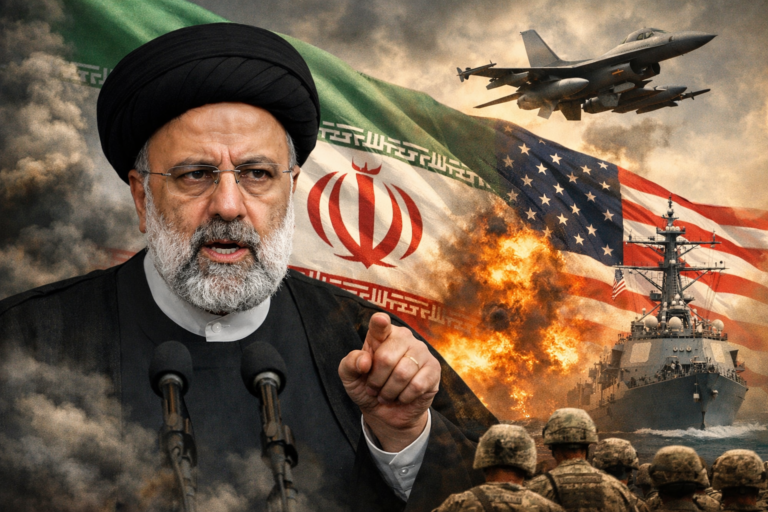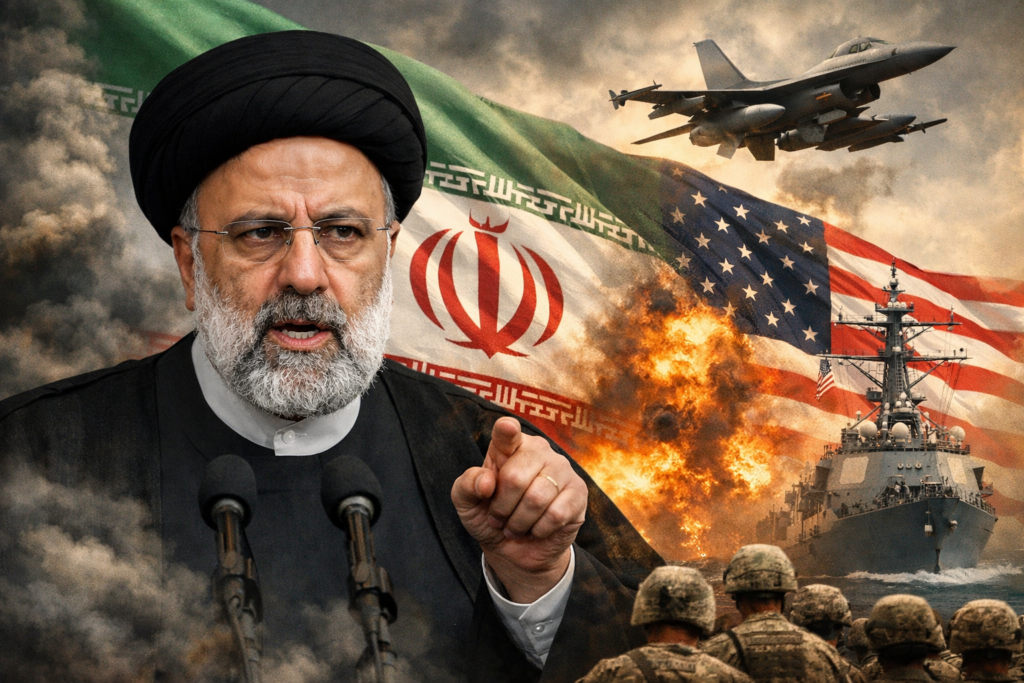

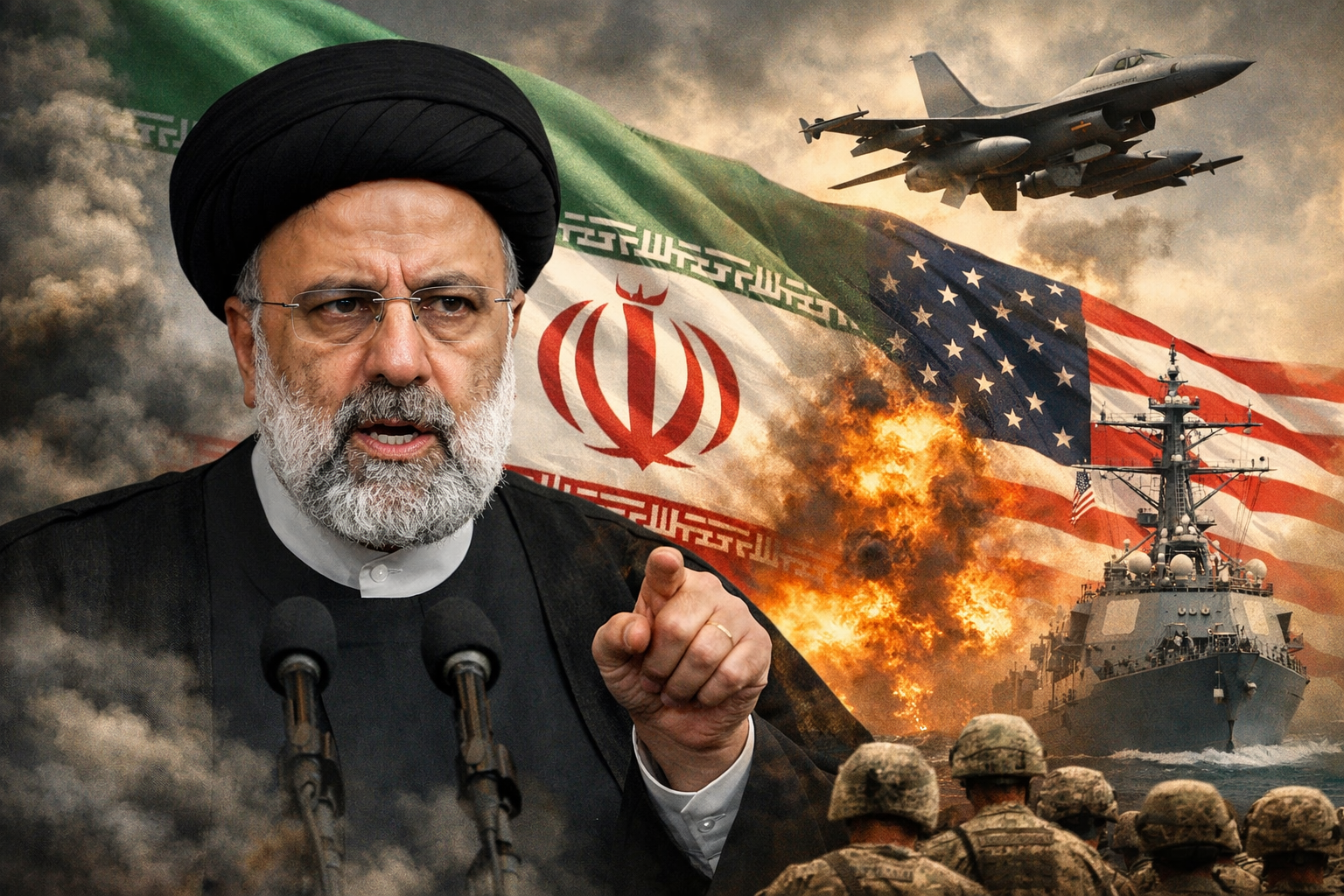
Tensions between Iran and the United States have resurfaced repeatedly over the years, often fueled by strong political language, military posturing, and media speculation. Recently, headlines and social media discussions have raised a critical question: Did Iran declare war on the US? Much of this debate centers on remarks made by the iranian president, which were widely reported and, in some cases, misunderstood. To understand what truly happened, it is essential to look beyond headlines and examine the statements, their context, and the broader geopolitical environment in which they were made.
The Origin of the War Declaration Claims
The claim that Iran declared war on the United States began circulating after a speech in which the iranian president addressed ongoing regional conflicts, sanctions, and what Iran perceives as American interference in Middle Eastern affairs. Certain phrases, translated and shared rapidly online, were interpreted as hostile declarations rather than political warnings or rhetorical positioning.
In reality, Iran’s leadership has historically been cautious about formal declarations of war, knowing the legal, economic, and military consequences such a move would trigger under international law.
What the Iranian President Actually Said
In the speech at the center of controversy, the iranian president emphasized Iran’s right to defend itself and resist pressure. He spoke about “standing firm” against aggression and warned that continued provocation would be met with “serious consequences.” However, these remarks stopped short of a formal declaration of war.
Diplomatic experts note that strong language in political speeches is often aimed at domestic audiences or regional rivals rather than signaling immediate military action.
Understanding Political Rhetoric vs. War Declarations
A declaration of war is a formal legal act, usually involving official documentation, parliamentary approval, or a clear announcement recognized by international bodies. The iranian president did not issue such a declaration, nor did Iran’s parliament or Supreme National Security Council take steps consistent with initiating a formal war.
Instead, the statements align with a long-standing strategy of deterrence through rhetoric projecting strength without crossing legal thresholds that would escalate conflict uncontrollably.
Historical Context of US–Iran Relations
To fully grasp the weight of these statements, one must consider decades of strained relations. Since the 1979 Iranian Revolution, Iran and the US have engaged in indirect conflict, sanctions, proxy wars, and diplomatic standoffs. Every administration, including the current Iranian president, operates within this historical framework, where words are carefully chosen to balance resistance with survival.
Past incidents show that even at moments of extreme tension, both sides have avoided outright war declarations.
Addressing a Domestic Audience
Political speeches often serve multiple purposes. Analysts believe the iranian president was also addressing internal audiences reassuring citizens amid economic hardship caused by sanctions and reinforcing national unity. Strong language against the US plays well domestically, signaling defiance without committing the country to a devastating conflict.
This internal dimension is frequently overlooked in international reporting.
Military Actions vs. Political Statements
While Iran has engaged in military activities through regional allies, these actions are distinct from declaring war on the US. The Iranian President has repeatedly stated that Iran does not seek war but will respond if attacked. This position reflects a defensive doctrine rather than an offensive one.
International observers differentiate between proxy involvement and direct state-to-state warfare, which has not been formally initiated.
The United States’ Official Response
US officials responded cautiously, emphasizing that they were monitoring the situation but did not interpret the speech as a declaration of war. This reaction suggests that even Washington did not view the iranian president’s remarks as crossing a critical red line.
Diplomatic channels remained open, further indicating that neither side considered war imminent.
Media Interpretation and Misinformation
Modern media ecosystems amplify dramatic interpretations. Selective quotes attributed to the iranian president were shared without context, fueling panic and speculation. Headlines designed for clicks often blur the line between analysis and fact, contributing to public confusion.
Experts stress the importance of reading full transcripts and understanding cultural and political nuances in translated speeches.
Regional Implications of the Statements
Middle Eastern geopolitics are deeply interconnected. Allies and adversaries closely watch statements from the iranian president, assessing whether rhetoric signals policy shifts. In this case, regional actors largely treated the speech as continuity rather than escalation, maintaining existing diplomatic and military postures.
The Nuclear Issue and Sanctions Pressure
Another layer to the controversy involves Iran’s nuclear program and ongoing sanctions. The iranian president linked resistance rhetoric to demands for fair negotiations and sanctions relief. Such statements are often part of a bargaining strategy, not an announcement of war.
Historically, Iran has used strong language to gain leverage at the negotiating table.
International Law Perspective
From a legal standpoint, nothing in the speech qualifies as a declaration of war. International law experts confirm that the iranian president did not invoke language or procedures associated with initiating armed conflict. Without formal notification or action, claims of a war declaration remain unfounded.
The Role of Strategic Ambiguity
Iran often employs strategic ambiguity sending signals that deter adversaries while preserving flexibility. The iranian president’s remarks fit this pattern, warning against aggression while leaving room for diplomacy. This approach aims to prevent miscalculation rather than provoke it.
What Happens Next?
Going forward, analysts expect continued tension but not open war. The Iranian President is likely to maintain a balance of firm rhetoric and cautious action, while international mediators work to prevent escalation. Dialogue, even indirect, remains a key tool in managing the relationship.
So, did Iran declare war on the United States? The evidence clearly says no. The statements made by the iranian president were forceful and politically charged but fell well short of a formal war declaration. Misinterpretation, media sensationalism, and existing tensions contributed to the confusion. Understanding the difference between rhetoric and reality is crucial in assessing such high-stakes international issues. Ultimately, while relations remain strained, both nations continue to avoid the irreversible step of declaring war, favoring deterrence and diplomacy over direct confrontation.